
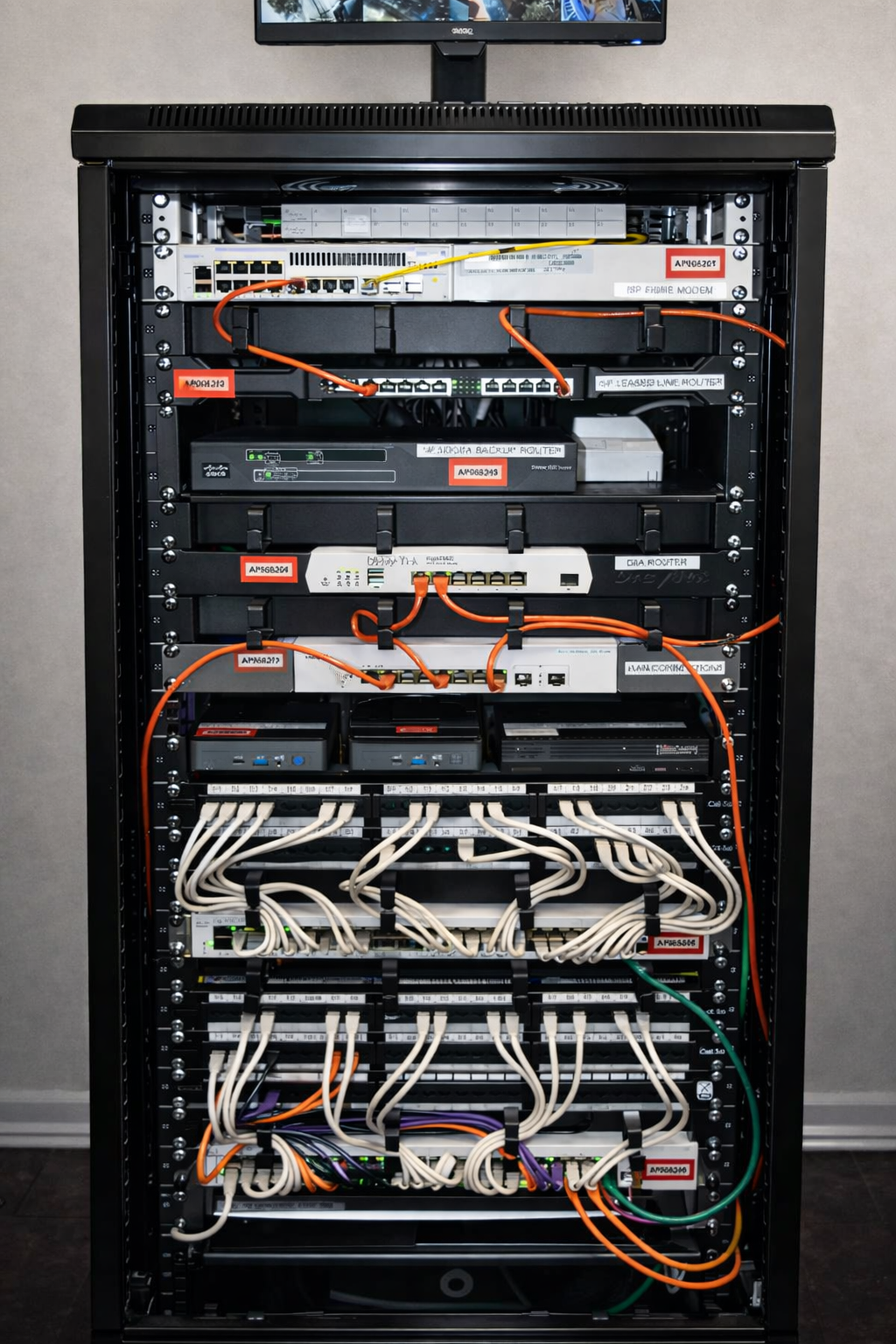
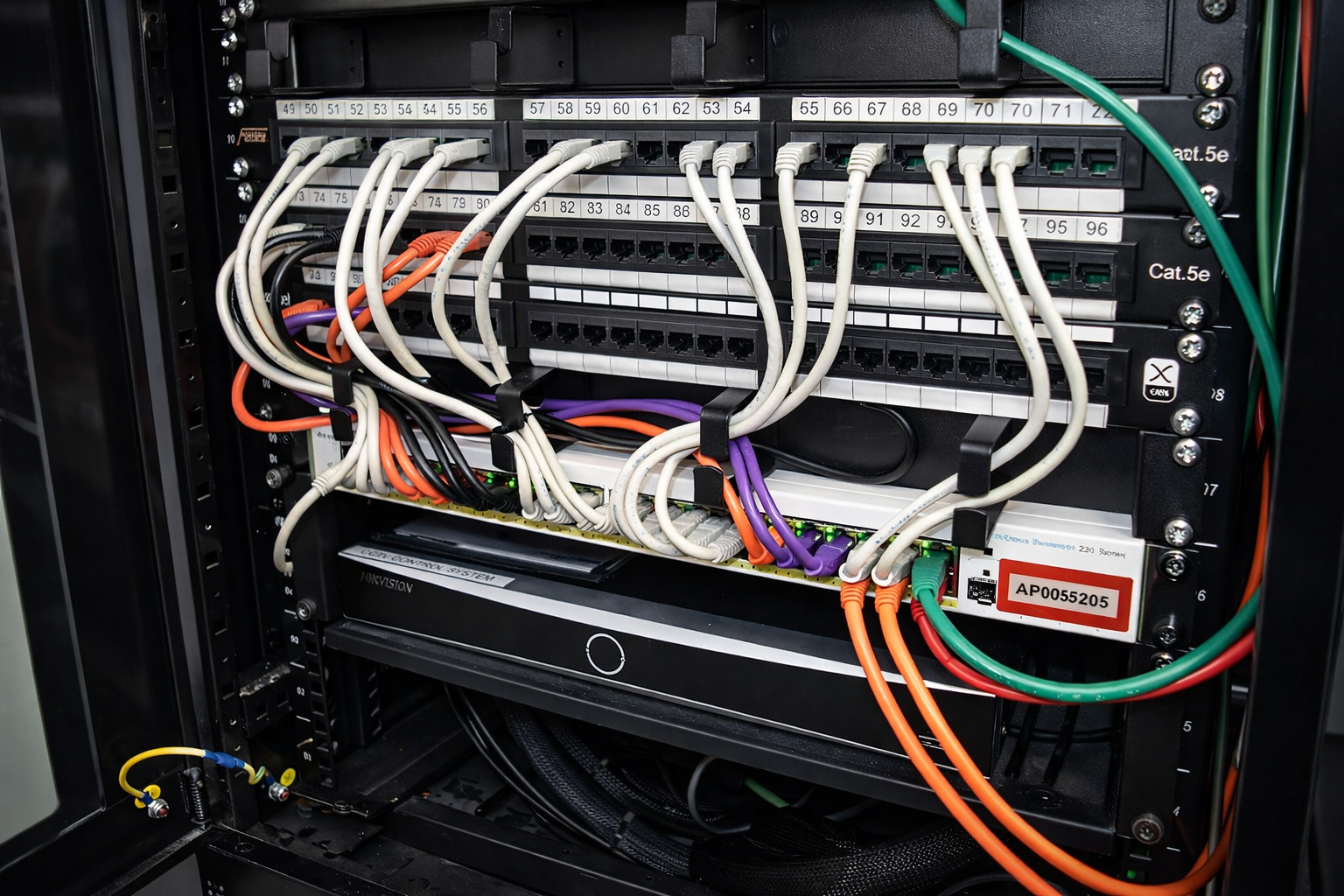

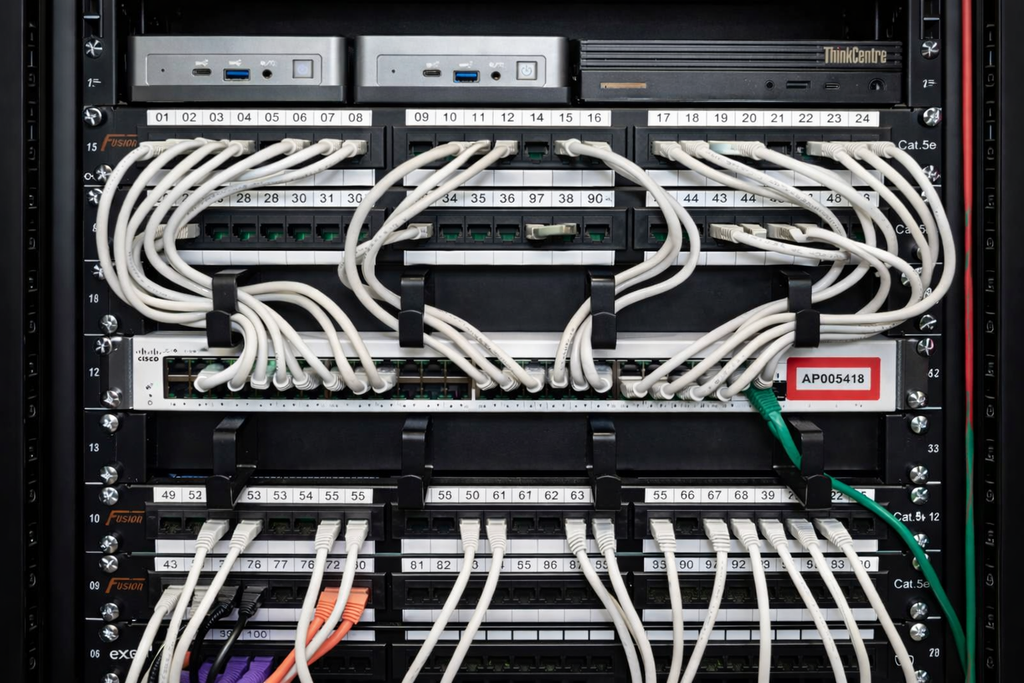
Server Hardware Overview
Who This Is For

Small to Medium Businesses
Ensure business‑critical systems run on hardware designed for reliability, not consumer PCs.

Enterprise Organizations
Standardise server platforms across sites with predictable performance and support lifecycles.

Startups
Deploy right‑sized server hardware without over‑engineering or unnecessary cost.

IT Departments
Reduce incidents and maintenance overhead with supported, vendor‑approved hardware.


Other
Any organisation running on‑premises or hybrid services depends on reliable server hardware.


Problems this solves

Unreliable hardware
Unreliable hardware
Consumer‑grade machines are not designed for 24/7 workloads or critical services.

Performance bottlenecks
Performance bottlenecks
Under‑sized servers lead to slow systems and frustrated users.

Single points of failure
Single points of failure
Lack of redundancy increases the impact of hardware failures.

Unsupported platforms
Unsupported platforms
Out‑of‑warranty servers increase risk, cost, and downtime.
How we work

Discover
We start with a free, high‑level Teams meeting (or phone call) to understand your business and what you need.

Assess
If you proceed, we carry out a free initial assessment of each site and shared systems to establish a clear baseline.

Agree
We review our findings in plain English and agree priorities together, with no charge and no obligation.

Support
Once support is in place, we provide ongoing IT support with monthly assessments and annual reviews to keep your IT secure and aligned.
Is Your Server Hardware Fit for Purpose?
If you’re unsure whether your servers are powerful, reliable, and suitable for your business needs, we can help.
Book a free consultation to review your server hardware, identify any performance issues or risks, and ensure your systems are built to support your business.
No cost. No obligation. Just a clear assessment.
What's Included

What's Included
How Our Server Hardware Service Works

Proven results for businesses like yours
Real outcomes for real clients — see how we've helped businesses like yours.



Why Choose d8a?

Free Assessments
Discover opportunities for improvement with no initial cost.

Efficient Workflows
We streamline IT processes to save you time and boost productivity.

Consistent Service
Expect reliable support and performance, every time.

Free Consultation
Get expert insights tailored to your business, on the house.

Well Organised
Our team operates with precision, keeping every project on track.

Years of Experience
Decades of expertise guide our every solution.
Ageing Hardware Slowing You Down?
Server failures, performance bottlenecks, and unexpected downtime can cripple your business. If your hardware is ageing, under-resourced, or nearing end-of-life, it's time to act.
Book a free consultation to assess your server infrastructure, identify risks, and plan a reliable upgrade path that keeps your business running smoothly.
No cost. No obligation. Just expert guidance.
What our customers say
Areas we cover
Providing expert IT support and infrastructure services across London and the South East.
Server Hardware FAQs
Common questions about server hardware selection, deployment, and support.
What's the difference between server hardware and desktop PCs?
Servers are engineered for continuous 24/7 operation with redundancy, fault tolerance, and scalability. Desktop PCs are designed for intermittent use and lack the reliability features needed for business-critical systems.
How do I know if my server hardware is fit for purpose?
A free assessment from our team can evaluate your current hardware against your workload requirements, identify performance bottlenecks, and recommend upgrades or replacements if needed.
What should I consider when sizing server hardware?
Key factors include CPU cores and speed, RAM capacity, storage type and capacity, redundancy requirements, growth projections, and support lifecycle. We help you balance performance, reliability, and cost.
How important is hardware redundancy?
Redundancy is critical for business continuity. RAID configurations, redundant power supplies, and failover systems minimize downtime from hardware failures and protect your data.
What's included in your server hardware service?
We provide planning and sizing, vendor-agnostic selection, CPU/memory/storage design, RAID configuration, redundancy planning, installation, commissioning, health monitoring, and lifecycle guidance.
How long do servers typically last?
Enterprise servers typically have a 5-7 year lifecycle. We help you plan replacements before hardware reaches end-of-life to avoid unexpected failures and maintain vendor support.
Ready to Upgrade Your IT Infrastructure?
Book a Free Assessment today and discover how we can help your business thrive with the right technology.