
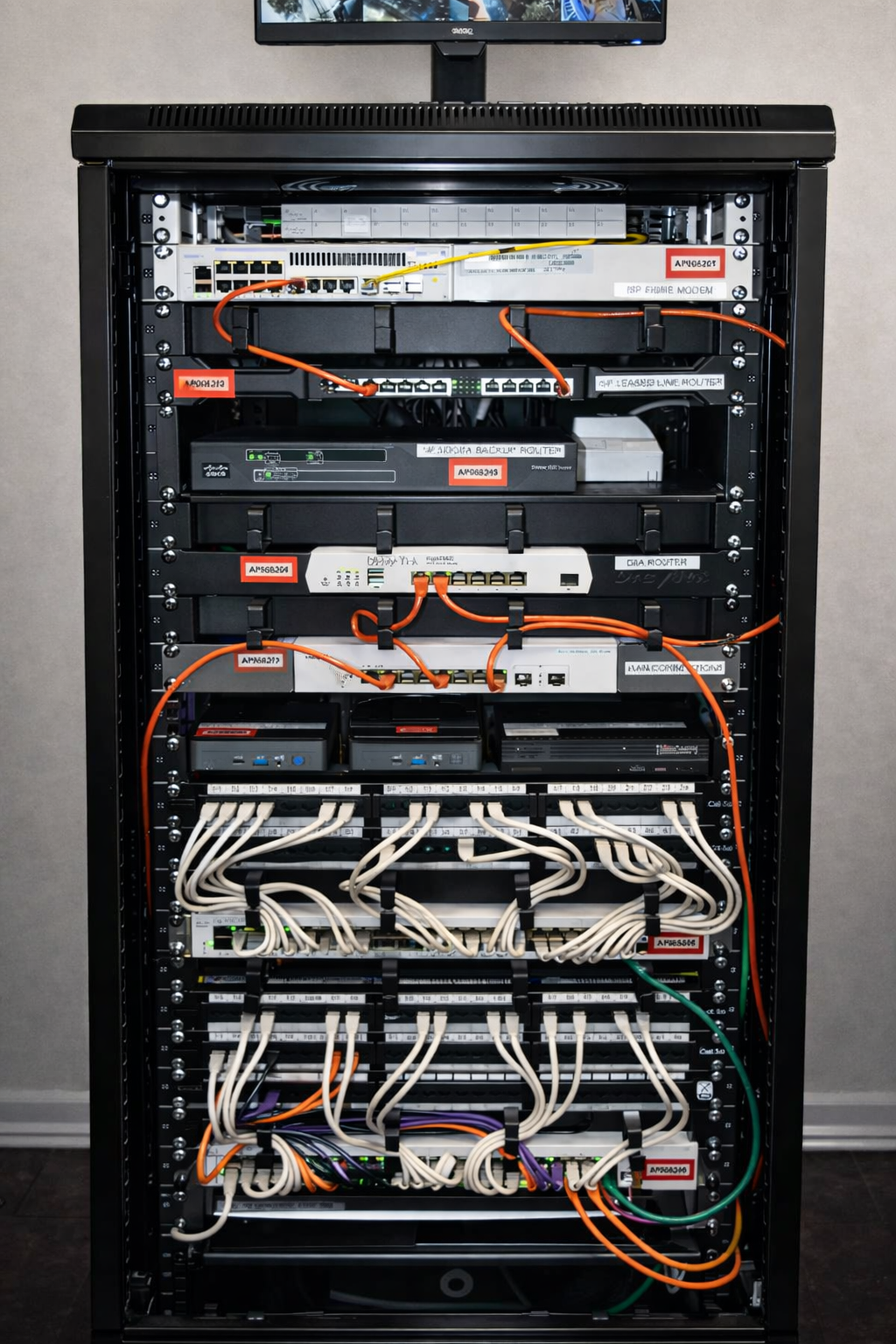
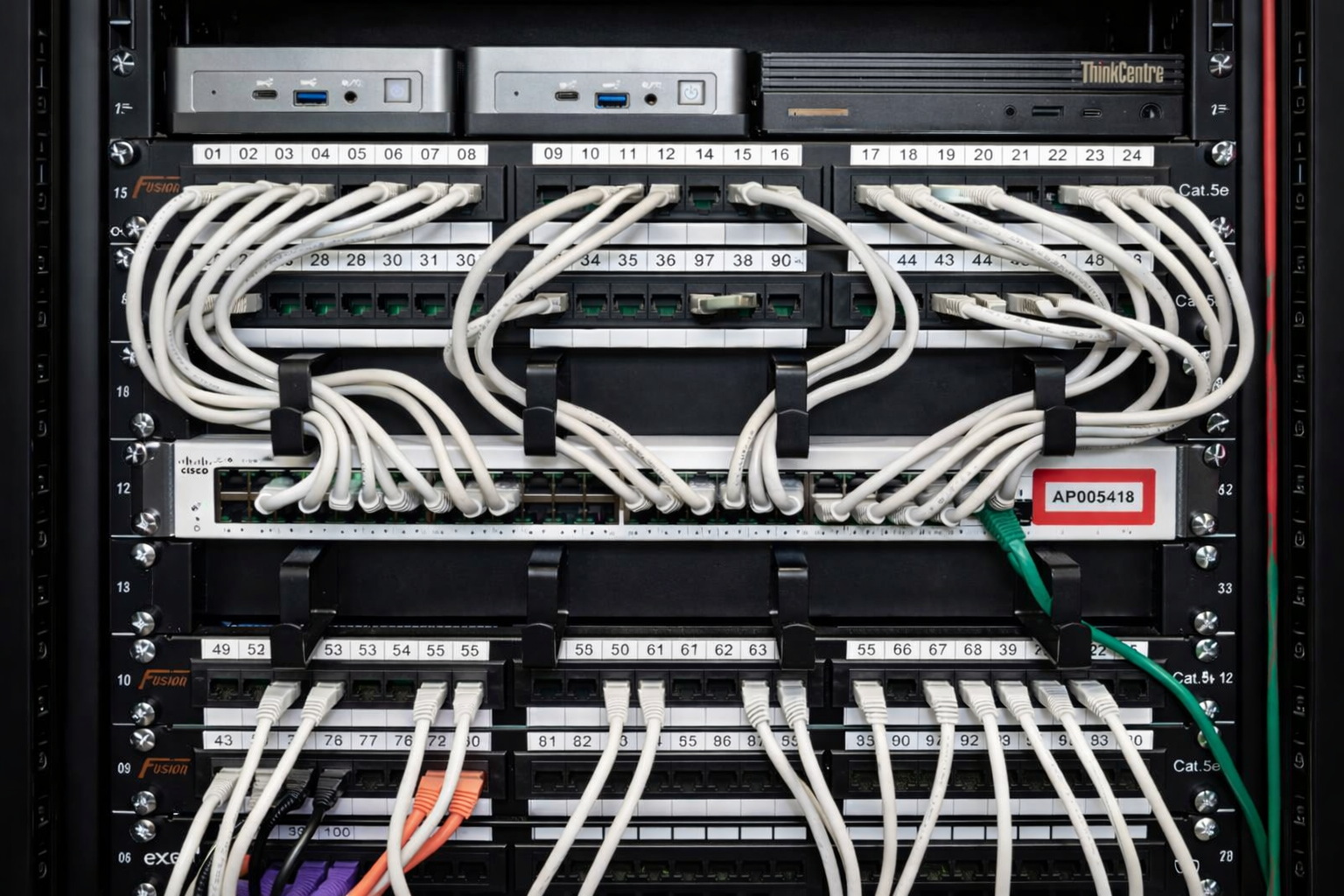

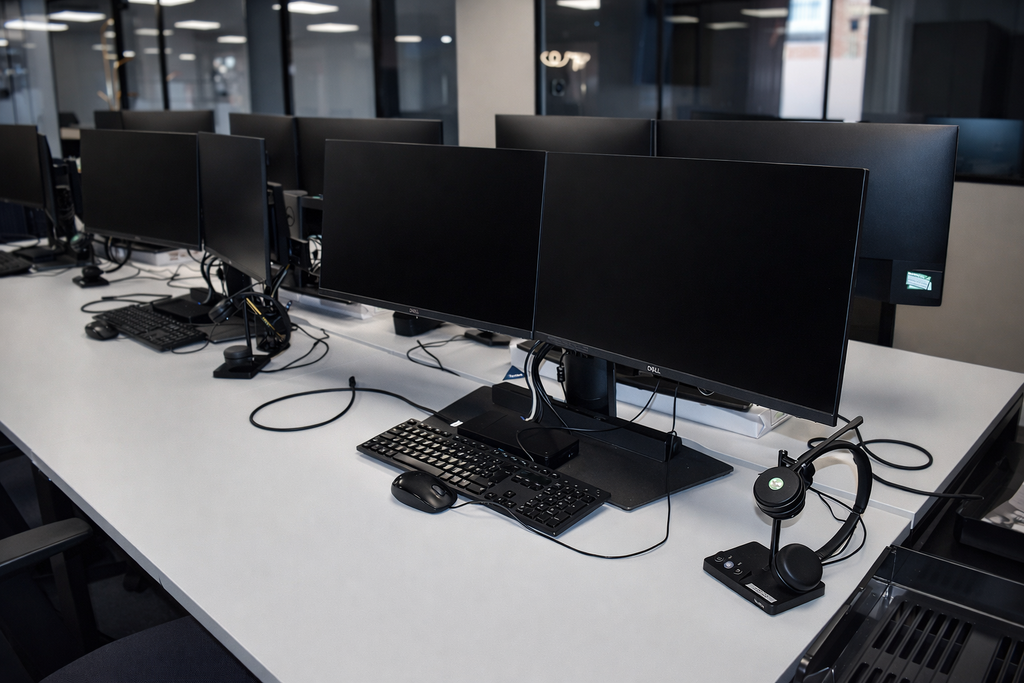
Server Virtualisation Overview
Who This Is For

Small to Medium Businesses
Reduce hardware costs and improve resilience by consolidating physical servers into a virtual environment.

Enterprise Organizations
Support large workloads, critical systems, and scalability with high‑availability virtual infrastructure.

Startups
Deploy professional server environments without the cost and complexity of full physical infrastructure.

IT Departments
Simplify server management, patching, and recovery using modern virtual platforms.


Other
Any business running on physical servers can benefit from improved efficiency and resilience through virtualisation.


Problems this solves

Under‑used physical servers
Under‑used physical servers
Most physical servers run far below capacity while still consuming full power, space, and support costs.

Single points of failure
Single points of failure
Hardware failures can lead to extended downtime and disruption.

Slow recovery
Slow recovery
Restoring physical servers after failure can take hours or days.

Limited scalability
Limited scalability
Adding capacity often requires new hardware purchases and installation.
How we work

Discover
We start with a free, high‑level Teams meeting (or phone call) to understand your business and what you need.

Assess
If you proceed, we carry out a free initial assessment of each site and shared systems to establish a clear baseline.

Agree
We review our findings in plain English and agree priorities together, with no charge and no obligation.

Support
Once support is in place, we provide ongoing IT support with monthly assessments and annual reviews to keep your IT secure and aligned.
Are You Making the Most of Your Servers?
If your servers are underused, difficult to manage, or expensive to maintain, we can help.
Book a free consultation to review your server environment, identify inefficiencies, and explore how virtualisation could improve performance, reduce costs, and increase flexibility.
No cost. No obligation. Just a clear assessment.
What's Included

What's Included
How Our Server Virtualisation Service Works
Proven results for businesses like yours
Real outcomes for real clients — see how we've helped businesses like yours.



Why Choose d8a?

Free Assessments
Discover opportunities for improvement with no initial cost.

Efficient Workflows
We streamline IT processes to save you time and boost productivity.

Consistent Service
Expect reliable support and performance, every time.

Free Consultation
Get expert insights tailored to your business, on the house.

Well Organised
Our team operates with precision, keeping every project on track.

Years of Experience
Decades of expertise guide our every solution.
Ready to Modernise Your Server Infrastructure?
Server virtualisation can dramatically reduce your hardware costs, improve system reliability, and give you the flexibility to scale as your business grows.
Our team will assess your current environment and show you exactly how virtualisation can benefit your organisation—with no cost and no obligation.
Book a free consultation today and take the first step towards a more efficient, resilient server platform.
What our customers say
Areas we cover
Providing expert IT support and infrastructure services across London and the South East.
Server Virtualisation FAQs
Body text goes here
What is server virtualisation?
Server virtualisation is technology that allows multiple virtual servers to run on a single physical server. Each virtual server operates independently with its own operating system and applications, while sharing the underlying hardware resources. This improves efficiency, reduces costs, and increases flexibility compared to traditional one-server-per-machine models.
How much can we save with server virtualisation?
Savings vary depending on your current infrastructure, but businesses typically see 30-50% reductions in hardware costs, significant energy savings from reduced power consumption, and lower maintenance expenses. Additional benefits include reduced downtime, faster disaster recovery, and improved resource utilisation. We provide a detailed cost-benefit analysis during your free assessment.
Will virtualisation affect our system performance?
No. When properly designed and implemented, virtualisation actually improves performance. Virtual servers can be optimised for specific workloads, resources are allocated more efficiently, and high-availability features ensure consistent uptime. Our team designs virtualisation platforms tailored to your performance requirements.
How long does migration to virtualisation take?
Migration timelines depend on the number of servers and complexity of your environment. We typically plan migrations to minimise disruption, often performing them during scheduled maintenance windows. For most organisations, the process takes weeks rather than months. We provide a detailed project plan during the assessment phase.
What about security and compliance?
Virtualisation platforms can be configured to meet strict security and compliance requirements. Virtual servers are isolated from each other, access controls are centralised, and audit trails are comprehensive. We ensure your virtualised environment meets all relevant compliance standards for your industry.
Can we scale our virtualised infrastructure as we grow?
Yes. One of the key advantages of virtualisation is scalability. Adding new virtual servers is quick and cost-effective—no need to purchase and install new physical hardware. Your virtualisation platform can grow with your business, supporting increased workloads and new applications without major infrastructure changes.
Ready to Upgrade Your IT Infrastructure?
Book a Free Assessment today and discover how we can help your business thrive with the right technology.